


 Breaking News
 Afrin
Afrin Afrin
Afrin Jan 02 2026
 1215
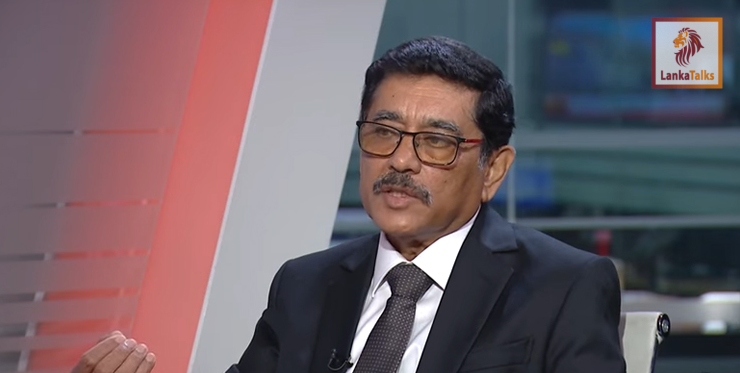
1215Sri Lanka's economy could experience growth exceeding initial projections in 2026, driven by reconstruction and rebuilding activities following Cyclone Ditwa, according to Dr. Nandalal Weerasinghe, Governor of the Central Bank of Sri Lanka. In an interview on Ada Derana's "Hydepark" program aired on January 1, Weerasinghe highlighted the potential for economic stimulus from government spending, while cautioning about risks to inflation and foreign exchange reserves.
Reflecting on 2025, Weerasinghe noted that the year outperformed expectations, with economic growth nearing 5% through the third quarter. "Last year, throughout the year, the economy was doing much better than we expected, for example, until Q3 growth was very close to 5%," he said. However, the fourth quarter remains uncertain due to the cyclone's impact, though he anticipates overall growth for 2025 to still hover around or slightly below 5%, matching the previous year's performance.
Prior to the cyclone, the Central Bank estimated Sri Lanka's growth potential at 4% to 5% for the coming years. Weerasinghe suggested that 2026 could surpass this, thanks to targeted fiscal injections for recovery. "Because of the cyclone and if the government going to spend money that was allocated for rebuilding, reconstruction, and recovery, and compensation, all these activities, that will create additional economic activities during the year," he explained. He estimated that efficient spending could push growth "even higher than 5%," subject to proper implementation.
The governor pointed to the government's pre-cyclone allocation of approximately 1.4 trillion rupees for public investments, now supplemented by an additional 500 billion rupees for cyclone-related efforts. This influx, he said, would spur sectors like construction and related services, generating broader economic momentum.
However, Weerasinghe warned of potential challenges. Increased demand for labor, materials, and goods could drive up prices, contributing to inflationary pressures. "Excess demand could create a kind of a price impact also... Prices of those materials, some prices can also go up. That can reflect in the inflation to a certain extent," he remarked. Inflation, which stood at around 2% recently, was already projected to reach the Central Bank's 5% target by the third quarter of 2026. The added demand might accelerate this timeline.
On the external front, reconstruction could heighten import needs for items like cement, steel, building materials, and food, straining foreign exchange reserves. "There could be additional demand for imports... that could have additional demand for foreign exchange," Weerasinghe said. To mitigate this, he emphasized the importance of boosting exports, remittances, and tourism, alongside securing international loans and grants. "We need to ensure that we also earn a little bit more foreign exchange... if the government can mobilize some more foreign exchange in terms of loans and grants to support these recovery activities, that can offset and balance the situation."
Despite these opportunities, the governor stressed that outcomes depend on timely and efficient execution, including procurement processes. "It's still too early for us to factor everything. There are some uncertainties," he added, noting potential delays in implementation.
Source: Adaderana