


 Breaking News
 A.R.B.J Rajapaksha
 A.R.B.J Rajapaksha
 Jan 13 2026
 1079
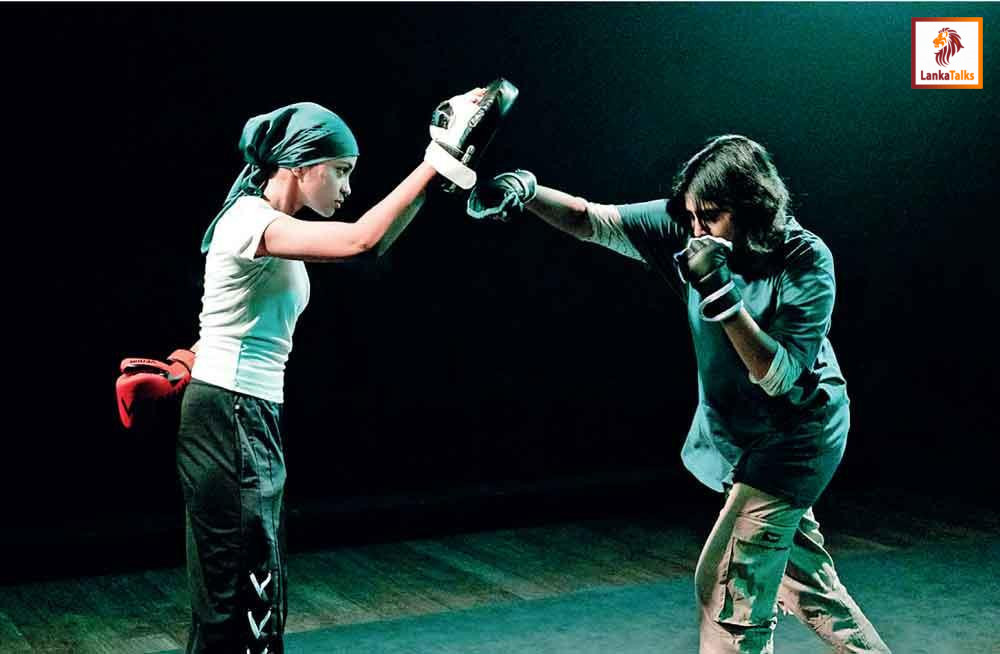
1079How To Defend Yourself (2025)
A Clutch Plays Theatre production
- Sometimes trying something riskier because of a strong belief of what you want to see changed in the world – “I think that, is always a little more worth doing
- Unfortunately, there’s a big focus on winning competitions,” he said about the Sri Lankan theatre scene, adding; “sometimes, they treat it more like a sport than an art, because it’s all about results
- I think the reason I became a director was very much driven by my experiences as an actor
- There’s a kind of exploitative culture in theatre in Sri Lanka, especially in English theatre where people work for free
By Tahaan Jayewardene
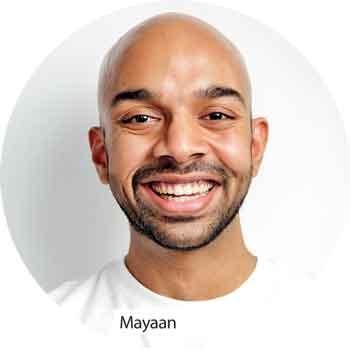
Mayaan Haputantri, is the first Sri Lankan to be appointed as the new trainee director at the Royal Court Theatre in London, coveting a prestigious role for which many young directors can only dream of being chosen.
Succinctly stated by the Cambridge University Press; “The story of the Royal Court is also the history of the contemporary stage,” and “commissioned and performed some of the most influential plays in modern theatre history.”
“[It’s] like getting to the highest level possible very early on by being very lucky, so it’s a huge privilege and honour,” said Haputantri very humbly, despite being selected out of more than 900 applicants.
Haputantri attended East 15 Drama School in London from 2023 to 2025, receiving a distinction for his Master of Fine Arts. Working with award-winning directors like Tim Supple, on the award-winning stage production, The Passenger, as an assistant director, Haputantri has gained unique experience working with world-class directors and actors.
As we dive into his story, and into the mind of one of Sri Lanka’s firsts, we start to see something remarkable in the way this 29-year-old drew the attention of the most prestigious theatre in the world.
Accidental Beginnings
“When I was doing my O-levels, I got a really bad rugby injury,” said Haputantri. Since the injury damaged his back, he couldn’t do sports seriously anymore. This meant, as he explained, he wasn’t doing much, “just playing games all the time” and “playing sports for fun.”
On one such occasion, while playing football in the park, his friend happened to mention a show he was taking part in, saying how fun it was (and trusting this friend as much he did), convinced Haputantri to join at the beginning of his A-level year at Royal College.
“I think I’m not very naturally talented at things, but I have an obsessive personality, which means I get hyper fixated and then I try to get as good as possible at things,” he said.
“In my first year, I got an ensemble speaking role. Then by 2015, I was playing supporting roles. And then in 2016, I was playing the lead for school and in 2017, I was assistant directing school. And in 2018, I was directing school,” and it just kept building, he said about participating in and later directing inter-house competitions at Royal College.
Turn to Purpose
“When you’re doing [theatre] in school, it’s a lot about the camaraderie and the experience of it,” he said. If the cast had 40 people, maybe 3 people were there because they liked theatre, and the others were there because they wanted to have fun, he explained.
“Unfortunately, there’s a big focus on winning competitions,” he said about the Sri Lankan theatre scene, adding; “sometimes, they treat it more like a sport than an art, because it’s all about results.”
When he started directing, having recently left school and still being in that mindset, Haputantri just wanted to compete and win. Making his theatre company Clutch Plays during the COVID-19 pandemic and on the backdrop of a mental health crisis, he said “the reason for telling stories became less about winning competitions and a lot more about trying to have an impact on people.”
“Our work became very purpose driven. Which I think is how the Royal Court [role] came to me. Because [the] Royal Court and Clutch Plays are very similar, in terms of doing very purpose driven socially relevant stories,” he said.
Switching to Directing
“I think the reason I became a director was very much driven by my experiences as an actor,” he said, because the school environment had the wrong values in place.
“My work was a lot about; how do we create a very safe space where people can come and have fun and be really silly, but also have it so safe that we can do dangerous work,” he said. “And I think as the years progressed, I’ve become a little more focused on the art and the beauty of it, but it was all initially about creating a fun space for people,” he added.
This negative culture, “where if you don’t win, your kind of treated like you’re not worth anything,” and the “result-based self-valuation” imposed upon you, made no sense to him, being as theatre is an art, Haputantri added.
“It was about combating those things,” he emphasized.
Starting Clutch Pays Theatre: Just do it!
In 2020, when the COVID-19 pandemic started, all theatre stopped, and all schools shut down. “I think it was six or seven months into COVID, when everybody was going through a mental health challenge,” and “I was going through one too,” he said.
“I realized that it was primarily because I didn’t have a place to do theatre,” he said, where he’d otherwise always have theatre from which he got a lot of fulfilment.
“At the time, I always had a dream of making a theatre company,” and creating this safe space, said Haputantri. When he was going through this phase one of his friends asked him; “why don’t you just do it?” His response to himself: “In my head, I’m like, I’m not ready, I’m not prepared, but I’m like; I could. I could just start it.” Haputantri set the scene for me; gathering four friends and sitting down in his room, after reading a book explaining, “how to start a theatre company for dummies.”
“And we just kind of made it,” he said.
They ended up doing the first English language show in Sri Lanka after the COVID-19 pandemic, called Boys Play in February 2021. “And since I’m insane, we built a stage,” in the courtyard in the middle of my house, he added.
He chose this play because the themes were a lot about loneliness and mental health struggles. It was about two male characters talking openly about things. This was relevant because one; Sri Lankan’s don’t talk openly about difficult things, two; similarly, boys don’t like talking openly, and three; everybody was going through a mental health crisis at this time.
“I wanted people to know they’re not alone,” he said. Seeing other people talk openly about difficult things you yourself are feeling, automatically relieves pressure, and he says is what resonated with him when he read the script.
“I think we became very purpose driven because of the circumstances in which [Clutch Plays Theatre] was made, as well was what we feel we wanted to contribute to the world in our time here,” he said.
“A lot of shows we do can be uncomfortable,” but “these are necessary conversations to have,” he said. “It’s about trying to make a positive change by getting people to empathize and open their minds to things they don’t often hear, but “it can’t always be safe positive work,” he explained.
Because you can always just do the popular positive thing, he said, but that might not make a huge difference along the way, and sometimes trying something riskier because of a strong belief of what you want to see changed in the world – “I think that, is always a little more worth doing.”
Haputantri’s most recent play, How to Defend Yourself, felt scary to do, but ultimately driven by the strong themes of the story (awareness of sexual assault and violence), he said, “I just need to do it because it’s worth being uncomfortable and pushing people’s boundaries.”
“Because the show was all about, you’re going to feel uncomfortable at the end, but you need to think why,” he said.
Curating the Space: Being a Good Host
As a director you’re a caretaker, and you’re navigating the ship, he said. If everybody’s not at their level best, then you’re not doing your best work and “if the only voice being used in the room is your own, then it’s suboptimal,” and impacts the quality of the work.
A quote that stuck with Haputantri; ‘if you’re a great director you need to be able to host a good dinner party’ explains that being a good host means serving everybody the drink they want, and everybody is having a good time’ (treating everybody with the same consideration and supporting their unique creative process).
When creating a safe space as a director, “you can’t have any troublemakers at the dinner party,” and automatically it becomes a safe, open, and accepting environment.
Sri Lankan Theatre
“There’s a kind of exploitative culture in theatre in Sri Lanka, especially in English theatre where people work for free,” he said.
Not paying people means, “automatically, you’re adding a barrier to entry for people who are from less fortunate backgrounds,” and committing to theatre when there’s not enough funding and becoming a world class actor with the level of education and professional experience in Sri Lanka, is difficult, he added.
The lack of understanding in Sri Lanka of the value of arts and theatre, is “inherently a problem,” he added.
People need to be more professional and respectful in general, he said. Because of unhealthy cultures, like dictatorship-like power dynamics (where actors don’t have much freedom creatively or feel free to speak up when they feel uncomfortable), and the concerning unethical practices like sexual harassment and misogyny being highly prevalent in the Sri Lankan theatre scene.
People who are doing theatre ethically and have good intentions should continue doing what they do, and hopefully he said, that eventually raises the bar.
Future Directors & Actors
“I think it’s all about how much you love it,” which he says is cliché, but true. “Because the moment life gets very difficult, it’s very easy to drop off things that don’t feel useful.”
“And I will give the Cliché’ advise of if you can do anything else in the world, please go and do that instead,” because it’s not a very stable lifestyle and doing theatre anywhere in the world is not a financially stable option, he explained.
“It’s always a bit of a crazy insane risk your taking doing theatre and art,” because the chances are to have a shot at making it, you need to need to be crazy obsessive with it and if you’re going half-hearted you won’t really make it, he explained.
In the arts, he explained how a lot of people go to drama school to realise they don’t want to do drama anymore, because they realise the idea of being a Hollywood movie star is great but the idea of being a struggling working actor is not what they want.
“I would say try to find your voice,” if you are really committed to it, and by that he means trying to find your purpose for creating art. This is especially important as a director he explained, because then you can find the kind of stories you resonate with, the people you want as your storytellers, and the communities you want to be involved with.
Clear Intentionality
Receiving the Royal Court Job, “was just purely because I was very purpose driven and I knew what I was doing, and it resonated with them,” he said. Even if I was 10 times more talented “and I don’t think I’m so talented”, but “I didn’t understand why I was a storyteller, I don’t think I would have got the Royal Court Job,” he added.
Haputantri explained how his mother would always tell him to do the right thing, and how this idea being driven into his head impacted him; “I don’t need to make a huge impact in the world, I just need to leave a small positive one.”
“I was able to tie that sort of inner drive I had of trying to make a positive ripple in the world, with the theatre passion that I had,” which he added, has impacted the plays they do, the stories they tell, and with the community they create.
Haputantri explained the impact of making purposeful choices; “just going from show to show, just doing random stuff sometimes, and without being mindfully aware that you’re trying to discover something,” can lead to having an entire career go by without having done something you feel is meaningful and that has taken you anywhere.
The Power of Small Action
Like grand roots of a great tree, purpose and intentionality entwined deeply in our every action, leaves something greater than mere memories or even legacies. It leaves, no it uncovers, the true limitless power of one small, good deed.
Aligning action with strong intention, and thriving instead of dispassionately or dismissively letting time trot by, brings forth the question; do we live our version of a meaningful life?
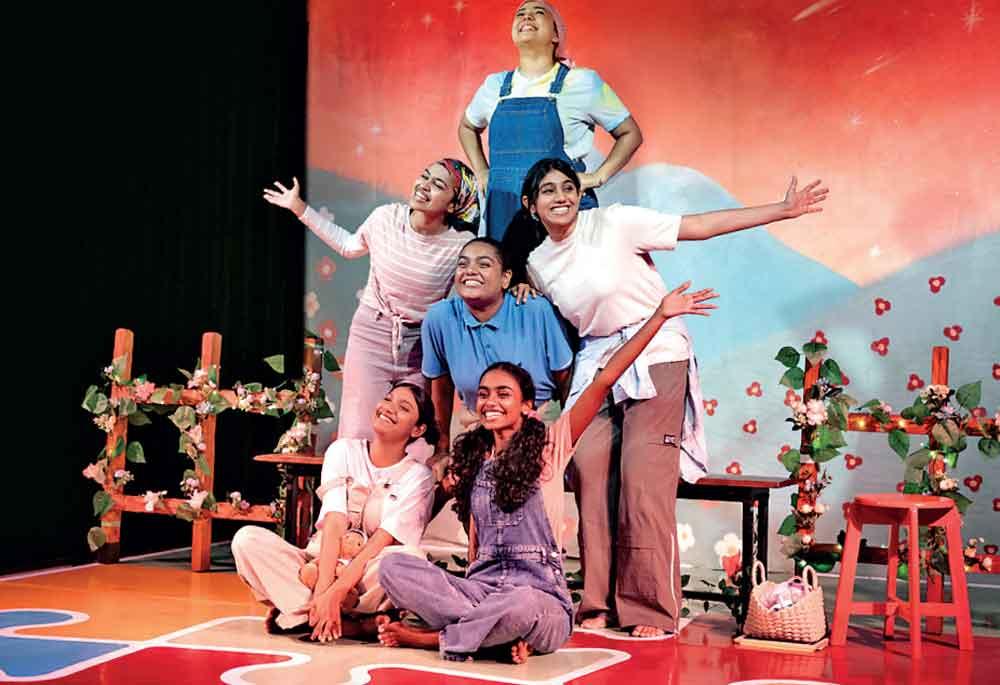
The Amazing Lemonade Girl (2024)
A Clutch Plays Theatre production in support of Indira Cancer Trust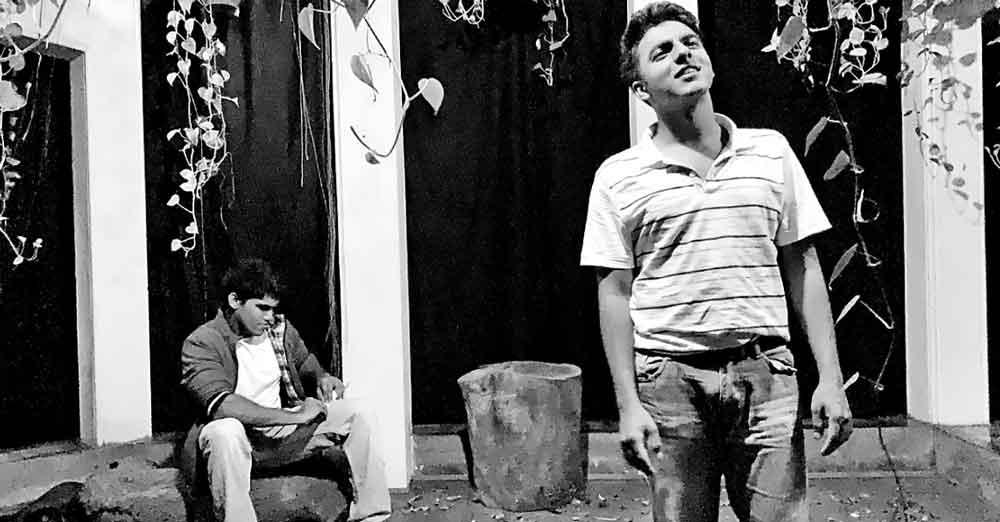
Boys Play (2021) A Clutch Plays Theatre production
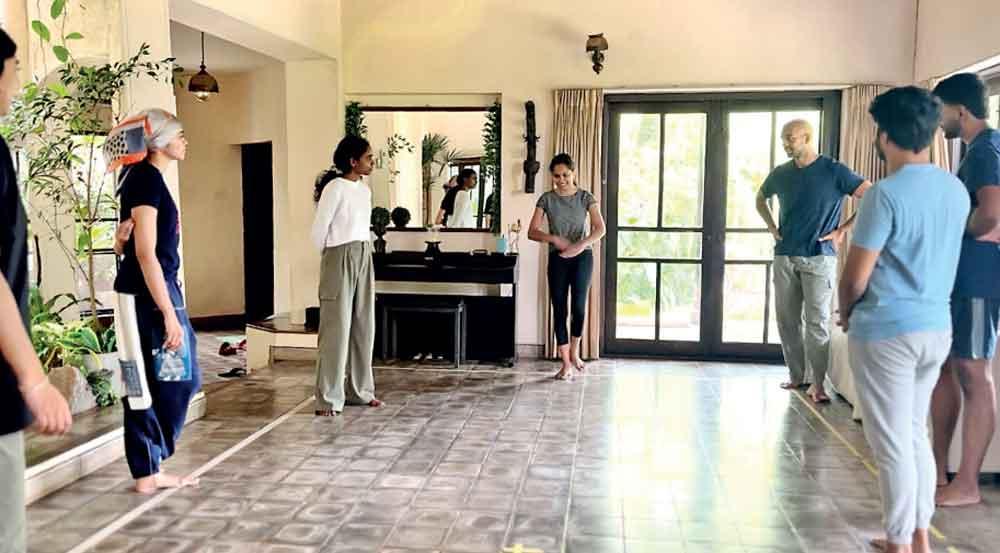
Rehearsal – How to Defend Yourself Tiny Beautiful Things (2022)
Tiny Beautiful Things (2022) A Clutch Plays Theatre production
Source- Dailymirror