


 Breaking News
 Krishani
 Krishani
 Nov 27 2026
 9
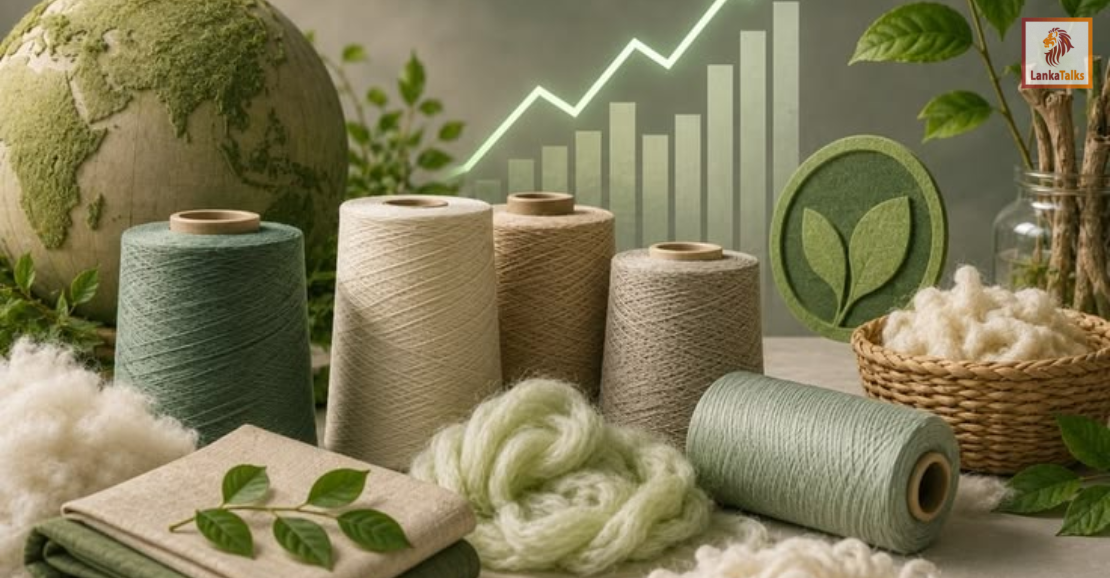
Sri Lanka’s rubber producers could be hurt by emerging trade-related environmental rules, while textile and apparel firms could face higher compliance costs under new sustainability requirements, according to ODI Global Principal Research Fellow Jodie Keane said.
Delivering the keynote at the Serendipity Knowledge Program’s trade reform forum, Keane described the pressure on Sri Lanka as a “green squeeze”. The new regulations posed risks to producers in specific supply chains, with commodities still accounting for a substantial share of the country’s export base, she said.
Keane pointed to digital land mapping already under way to help smallholders adapt. In textiles and clothing, she flagged emerging corporate sustainability due diligence rules and the potential for higher compliance costs. The implications differed by industry, she said, making it important to assess the threats and opportunities in individual supply chains.
Keane also highlighted potential openings for Sri Lankan suppliers as European and British companies develop production links in the region. She said the country should monitor the EU’s Made in Europe initiative and examine how shifts in European trade and investment ties with India could affect Sri Lankan firms. “There may be opportunities to plug into specific EU and UK value chains,” Keane said.
Closer regional trade and stronger maritime links could shorten transit times and help Sri Lankan suppliers serve growing demand in India.
Keane also linked port investment aimed at cutting emissions and withstanding extreme weather to the need for better digital connectivity, which could help smaller firms take advantage of new shipping and trade links.