


 Breaking News
 LankaTalks
 LankaTalks
 Mar 08 2026
 1003
1003Sri Lanka’s digital industry is targeted to reach $ 5 billion in exports by 2030, a significant increase from its current position. The rollout of the digital nomad visa is expected to contribute to this growth by attracting global remote workers, which was first proposed in 2021.
In an interview with The Sunday Morning Business, the Information Communication Technology Agency (ICTA) team behind the initiation and operationalisation of the project explained its history, the current process, and the benefits it offers in terms of the overall growth of the digital economy.
Following are excerpts:
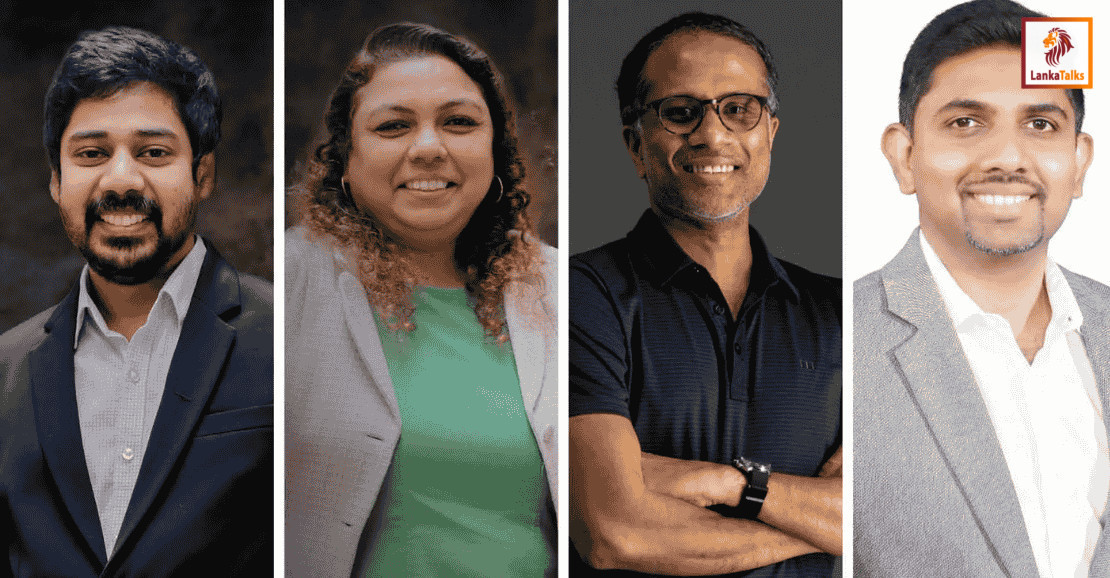
ICTA Director of Industry Development Chiranthi Balapatabendi
Would you like to elaborate on the history of the project? When was the Digital Nomad Visa (DNV) first proposed and on what grounds?
The initiative began during the time when former Chairman and CEO of the ICTA Oshada Senanayake engaged with immigration authorities.
He spearheaded the initiative and handed it to the industry development team at the ICTA, where I was, and together with the manager at the time, drafted the terms of reference and presented them to both the Department of Immigration and Emigration and the Sri Lanka Tourism Development Authority. The Cabinet paper was prepared based on those terms.
We also developed a business case scenario and mapped the operational flow, consulting all necessary stakeholders that needed to be considered with regard to the DNV. This was the inception of the project.
As initial research, we performed a benchmark study of countries offering DNVs at that time, which was a relatively new concept. This was also when Sri Lanka was nominated as the second-best remote working destination, which provided the impetus to move forward.
Furthermore, both Kayak and Club Med rankings placed us in a favourable position, and this was captured in the Global Startup Ecosystem Report, which led to significant interest. We also looked at Thailand as the closest comparable destination in terms of how they structured their proposal and took it forward, as they were experiencing a boom in digital nomads at that time. We attempted to estimate potential numbers before formalising the visa, but we could not arrive at a definitive figure.
One key requirement at the time was the need for stronger inter-agency synchronisation among the principal institutions. When the process was later handed to Charith Kandamulla, who worked extensively with these ministries from 2024 onwards, it led to the current revamping of the initiative and its relaunch.
Also, with the rollout of 5G, connectivity is better for remote workers. Looking ahead, we are planning specific promotions for digital nomads with various service providers.
ICTA Specialist Officer – Visa Recommendations under Ministry of Digital Economy Charith Kandamulla
What administrative or legal changes were required to activate this visa, and what was the process after 2024?
The delay in implementation was largely due to the difficulty of implementing such a rigorous process, along with a knowledge gap regarding the necessary operational framework. Although the Cabinet approved the initiative and issued a visa to one individual, progress remained slow while authorities worked to map the process.
The ownership of this process had to sit with a body like the Ministry of Digital Economy, as we have the capacity to evaluate applicants within this specific category. The ICTA has consistently worked in the background to ensure these initiatives are drafted and handed to the relevant parties to execute.
Once the Cabinet enacted the process, a structured way was needed to manage applications and evaluate eligibility, towards which the ICTA worked. Anyone interested in arriving as a digital nomad using this visa can follow the correct process and obtain this visa.
During events such as Disrupt Asia and Global Entrepreneurship Week hosted by the ICTA, we discussed policy reforms, including this visa. Once we wrote to the Department of Immigration and Emigration, it was open to our request, and we held several meetings to streamline the workflow. The department acknowledged the need for a mechanism to evaluate applicant eligibility under the Ministry of Digital Economy.
Furthermore, our industry development team at the ICTA conducted thorough research, especially on similar processes used by other countries, in order to determine what would work best for Sri Lanka. The current process implemented is a result of that research and aligns well with international standards.
What is the current role of the ICTA within this finalised framework?
The current process involves a recommendation component for digital nomads applying for the visa which sits under the Ministry of Digital Economy. The ICTA performs the due diligence required for these recommendations on the ministry’s behalf. The letter of recommendation is issued once the ICTA completes the assessment.
How is the promotion of this visa being managed and which authorities are leading the effort?
A committee has been formed under the Sri Lanka Tourism Promotion Bureau to lead the promotion of the DNV. This committee includes industry personnel as well as representatives from Sri Lanka Tourism and the ICTA, and will be taking a leading role in promotion work. We are working to coordinate with stakeholders in the public and private sector to streamline the experience.
A major part of our current focus is reaching people already in Sri Lanka on other visa categories who are already doing digital work. Many are unaware that this specific visa exists or that they qualify for it. We want to formalise their status and then expand our global marketing efforts.
Geographically, the visa is not limited to specific locations in the island. Once obtained, individuals are free to live and work anywhere in the country for their respective organisations abroad.
ICTA Associate Chief Digital Economy Officer Sachindra Samararatne
Sri Lanka has a generally solid connectivity in the country. However, the telecom system is not without issues. Do the digital infrastructure and connectivity concerns somewhat limit the digital nomadism to urban/suburban areas?
We believe Sri Lanka offers sufficient connectivity to support these professionals. Our infrastructure is well positioned to support this growth.
Back in 2021, we had a digital nomad ambassador from Germany who worked from 11 different locations across the country, including the north, south, east, and the Central Province. Even then, he was able to maintain a stable connection throughout his travels.
Today, remote work has become the default. We now have Starlink available, and co-working spaces and innovation hubs like Asaya Sands Mirissa and Southern Innovation Hub are gaining significant momentum. There has been steady development in the Eastern Province through the DreamSpace Academy and in the north with the Yarl IT Hub, among other locations. We are seeing new workspaces with high-speed internet emerging in Kandy as well.
The remote workforce has increased drastically and there is a large number of employees working for foreign companies from Sri Lanka. With the economic crisis, we saw a major shift where more Sri Lankans began working directly for foreign companies. A digital nomad is essentially the same, being a foreigner working for an offshore entity.
Hence, Sri Lanka is well geared to attract more digital nomads and host them. Our ecosystem is already hosting more foreigners who have either started living here or moved back to take up high-level tech roles. The infrastructure is evolving to support this trend.
How does this initiative specifically contribute to the broader digital economy and ICT industry?
This is a direct contributor to our digital industry goals. We are targeting $ 5 billion in export revenue and digital nomads play an important role in that.
When a nomad opens a local bank account, it helps us track the foreign exchange they bring in, which is usually harder to quantify with local remote workers. In addition to this direct, immediate spending, these individuals will also get acquainted with the ecosystem and help build a global brand for Sri Lanka, which will encourage more people to visit the country from a tourism perspective. Also from a business perspective, they bring knowledge, experience, and international contacts. At a point, they would eventually become entrepreneurs.
We are actually looking at broader visa reforms that include an entrepreneur visa, allowing these individuals to eventually start businesses and become part of our local tech community. This is how digital nomads evolve in other countries.
One strict condition under this initiative is that digital nomads cannot be employed by a Sri Lankan company, and they must work for an entity outside the country. However, their long-term value lies in their potential to become entrepreneurs who build global solutions from Sri Lanka. Even in the short term, we see them volunteering and engaging with local communities and hubs like the Southern Innovation Hub. They also serve as a great test market for local tourism-tech products.
In terms of competitiveness for this market, globally, the number of countries offering these visas have significantly increased since 2021 when we first looked into the matter, indicating its relevance and economic implications in the current global ecosystem.
ICTA Board of Directors Adviser and Calcey and Asaya Sands Founder Mangala Karunaratne
What is the significance of implementing the DNV initiative in Sri Lanka and what is our potential in the region?
The initiative allows Sri Lanka to earn foreign exchange without exporting goods or losing talent. We are inviting globally employed professionals to live here while earning overseas income.
Sri Lanka has a very strong natural advantage in this space. We offer a combination of a relatively low cost of living, decent English proficiency, an established IT and startup ecosystem, attractive lifestyle assets, and a growing number of co-working and innovation spaces.
Few countries in the region can offer this blend within such a compact geography. Globally, remote work has shifted from being an exception to a structural change in how companies operate. Countries like Portugal, Estonia, and Thailand have capitalised on this early. Sri Lanka is well positioned to compete in South Asia if we ensure policy stability, ease of visa processing, reliable infrastructure, and regulatory clarity.
How can this initiative contribute to Sri Lanka’s digital economy and overall economic growth?
The DNV can contribute in a few meaningful ways. There is the immediate foreign exchange inflow. This creates steady, high-margin inflows with minimal import dependency.
There are also ecosystem spillover effects, since when skilled global professionals live here, they do more than consume. They collaborate with local startups, mentor young entrepreneurs, hire Sri Lankan freelancers, invest in local ventures, and create informal global bridges.
In my view, strengthening the digital economy is about building networks and capacity. The presence of international remote professionals accelerates that process.
Positioning Sri Lanka as a digital hub is also key. The technology sector has the potential to fundamentally transform our forex position and economic trajectory. But certain skills and exposure are key bottlenecks. If Sri Lanka becomes known as a remote work destination, it sends a signal that we are open, connected, and digitally enabled. That branding has long-term implications for attracting tech companies, venture capital, and returnee entrepreneurs.
There are a few additional considerations as well. For this initiative to succeed, I believe we must focus on seamless, fully digital visa processing, clear tax treatment and regulatory guidelines, reliable broadband nationwide, ease of banking and international payments, and safety, urban planning, and quality public services.
If executed well, the DNV is not just a tourism product. It is an economic strategy aligned with building a digital Sri Lanka, one that can complement IT exports, startup growth, and broader digital transformation.
Sri Lanka has historically relied on traditional sectors. But the potential of the technology industry and digitisation far outweighs many labour-intensive sectors. The DNV fits naturally within that broader shift. If done right, it can be a small but pretty strategic lever in reshaping how we earn, connect, and grow as a country.

Following the initiation, Sri Lanka officially welcomed Ukrainian national Darya Gordiyenko as the first digital nomad to the island under the initiative, as well as her spouse Yaroslav Kovalchuk. The Sunday Morning Business spoke to them regarding their experience and the process thus far.
What made you choose Sri Lanka over other regional countries offering DNVs? How do you feel about the residency benefits and visa liberalisation currently offered?
Darya: We chose Sri Lanka because, at this stage, it feels like home. We initially arrived when the war started in Ukraine and decided to stay. The nature, the climate, and the people have really made us feel welcome.
Another major factor was education. Our daughter attends an international school in Galle, and we are very happy with the quality of education there. Personally, I am a fan of surfing. I can surf in the morning and work online for the rest of the day, which provides a great balance. Back in the city, life was always a rush, but here it is much calmer and you feel more connected to nature.
Yaroslav: I also want to acknowledge the ICTA for its role in this. Aside from the administrative issues, the ICTA was extremely helpful and made us feel very welcome. It is clear that there is a genuine desire to attract digital nomads, and we appreciate the crucial coordinating role the ICTA plays in structuring and smoothening out the process.
What are your thoughts on the visa process and the administrative requirements you had to go through?
Darya: The process is still evolving. As the first DNV holder, this was somewhat like a test run. It is natural that certain procedures need to be clarified and aligned across different Government institutions. My hope is that the process becomes fully digitalised eventually so that those applying from abroad can submit everything online more easily.
Yaroslav: It makes sense for the ICTA to lead this because it understands the country’s digital infrastructure. Also, having a responsible party as a direct point of contact helps combat visa fraud. Applicants understand they do not need to go through middlemen or pay unofficial fees. I truly value that transparency and the effort to make the process straightforward.
How has your experience been with the digital infrastructure, connectivity, and availability of co-working spaces?
Darya: We are lucky because our residential complex provides stable internet. It took some back-and-forth to get it set up initially, but it works smoothly now. I know Starlink is available on the island as well. We mostly work from home, but we have used co-working spaces in the south that were quite good.
Yaroslav: I think co-working infrastructure is still developing. These spaces are important because they create a community where locals and foreigners can communicate and collaborate.
Are there any final thoughts or suggestions you would like to share regarding the benefits of this scheme?
Darya: One suggestion for the future would be to offer visas of different lengths, perhaps for two or three years. This would reduce the administrative burden on Government institutions and minimise the back-and-forth for the applicant as well.
Yaroslav: You need to register for a Taxpayer Identification Number (TIN) with the Inland Revenue Department. The online registration was very convenient and only took about 15 minutes.
If the country establishes a one-stop shop, it will be great since the administrative burden is relatively huge here. If a person maintains good standing during their first year, it would be beneficial if they could qualify for a multi-year renewal. This would make it more convenient for the individual and reduce the hassle of repeated applications.
Overall, we are tremendously grateful that the programme was brought to fruition.
Source: The morning