

 Breaking News
 A.R.B.J Rajapaksha
 A.R.B.J Rajapaksha
 May 07 2026
 49
49Authorities urge limiting exposure during 10 a.m.-4 p.m.
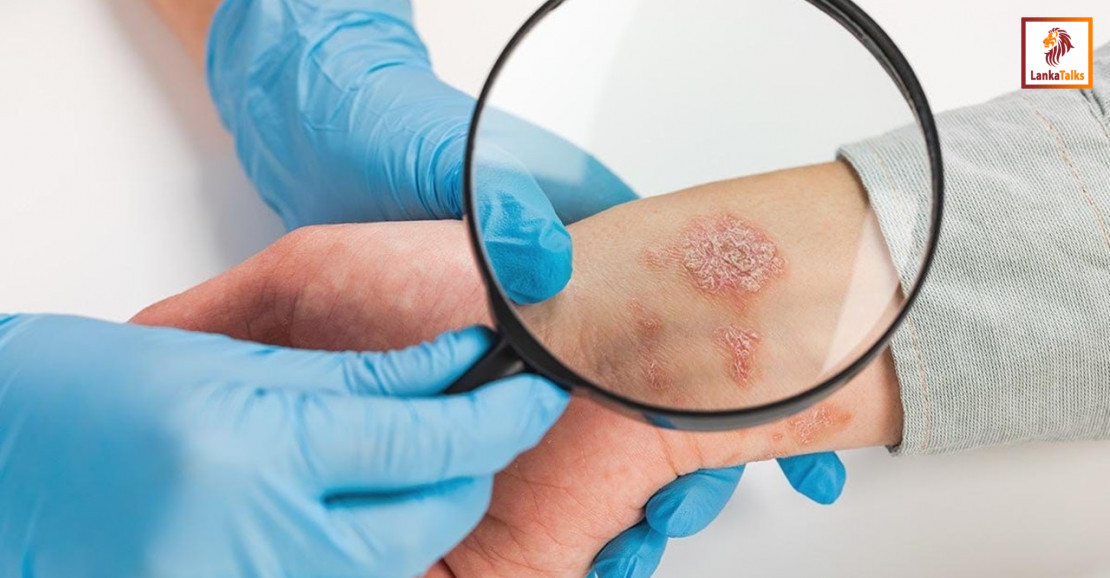
Oncologist at the Kalutara District General Hospital, Dr. Hasanthi Jayalath said that skin cancers commonly develop in areas exposed to sunlight, with ultraviolet (UV) radiation identified as a major carcinogenic factor.
Speaking to the media at the Health Promotion Bureau yesterday (6), Dr. Jayalath noted that if detected at an early stage, the main types of skin cancer can be treated successfully, often with a cure rate of 100 per cent. Treatment may involve surgery to remove the affected area, and in some cases, radiotherapy.
Dr. Jayalath stressed however that prevention is more important. Dr. Jayalath advised the public to limit exposure to the sun, particularly between 10 a.m. and 4 p.m., when UV radiation is at its strongest. She noted that a UV index above three is considered harmful, and hence urged the use of sunscreen with a sun protection factor of more than 30 when outdoors. Those frequently exposed to the sun should reapply sunscreen every three hours. She also recommended wearing hats with a wide brim that cover the face and neck or using umbrellas for protection, and avoiding tanning beds due to their high levels of UV exposure.
Dr. Jayalath also expressed concern over the use of skin whitening creams, noting that they increased the vulnerability to skin cancer. She explained that the skin’s natural melanin layer (which gives Sri Lankans a dark complexion) provided protection against UV radiation, and that the use of such products may reduce this protection. Some creams also contain steroids and substances such as hydrocortisone, which can thin the skin and weaken its natural defence mechanisms.
Dr. Jayalath said that while such factors are mainly linked to non-melanoma skin cancers, melanoma can develop even in areas not exposed to sunlight. She noted that melanoma may appear as dark patches under the nails, inside the mouth, or elsewhere on the body. She added that while melanoma can be completely cured through surgery if detected early, it becomes difficult to treat once it spreads.
Meanwhile, the Director of the National Cancer Control Programme, Dr. Senaka Talagala said that cancer patients often face both physical and psychological challenges due to the disease and its treatment. He said that rehabilitation support is therefore essential, noting that a clinic has already been established at the National Cancer Institute (Apeksha Hospital, Maharagama). Plans are also underway to introduce rehabilitation services for cancer patients in cancer units across all Districts.
Source - The Morning