


 Breaking News
 A.R.B.J Rajapaksha
 A.R.B.J Rajapaksha
 Mar 12 2026
 262
262Transmission chief warns salary demand could double electricity tariffs
CEB losses as of 31 Dec 2025 amount to Rs. 35 b
Task Force Head says none of the 64 demands benefits electricity consumers
Essential services rules invoked; workers ordered back to duty
Claiming that power sector trade unions are demanding a 40% salary increase, the National Transmission Network Service Provider (NTNSP) warned yesterday (11) that meeting the demand could force electricity tariffs up by nearly 100%.
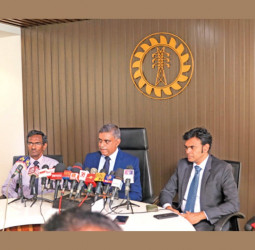
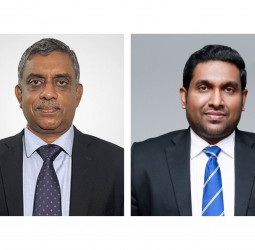
NTNSP Chairperson Nusith Kumaratunga, addressing a joint media briefing of the newly formed CEB successor companies, said the proposed hike would increase salary expenditure by Rs. 1.8 billion per month, amounting to almost Rs. 22 billion annually.
“As at 31 December 2025, the CEB recorded losses of around Rs. 35 billion. If this additional burden is added, electricity tariffs may have to be increased by nearly 100%,” he cautioned, stressing the impact on the public, industries and the national economy.
He confirmed that trade unions had presented 64 demands. Of these, 62 have been agreed upon. The remaining two, including the 40% salary increase, have been referred for discussion with President and Finance Minister Anura Kumara Dissanayake.
According to Kumaratunga, most demands relate to retaining privileges enjoyed under the former CEB structure. During the initial round of discussions, 59 demands were agreed upon, with three more settled following talks with the subject Minister.
Among concessions granted are the temporary continuation of bonuses previously paid under the CEB until a performance-based system is introduced, and an additional Rs. 11,000 allowance plus cost-of-living allowance, bringing the average monthly increase to about Rs. 17,000 per employee.
However, he said granting a 40% salary hike would be unfair to other public sector employees and financially unsustainable.
He further revealed that unions are demanding that a 25% salary adjustment granted to senior executives in 2024 be extended to all employees retroactively from 1 January 2024. Such a move would require amending a Cabinet decision, which company boards are not authorised to do.
“We cannot change a Cabinet decision. We have asked the unions to meet the President and discuss the matter,” he said, expressing concern that trade union action continues despite most demands being addressed.
The strike comes days after the operations of the CEB were formally transferred to successor companies under the Sri Lanka Electricity (Amendment) Act, No. 36 of 2024. The transition took effect on 9 March, with new companies commencing operations on 10 March.
Electricity Distribution Lanka (Pvt) Ltd and the NTNSP have issued directives instructing employees to report to work immediately, citing the Extraordinary Gazette No. 2477/47 of 28 February, which declares electricity supply services as essential services.
The companies warned that failure to perform assigned duties constitutes a serious offence under Essential Services Regulations and may result in disciplinary action.
They also confirmed that appointment letters for employees assigned to the four successor companies are currently being issued in line with the approved transition plan.
Meanwhile, CEB Transformation Task Force Head Pubudu Niroshan Hedigalla said none of the 64 demands put forward by unions include measures benefiting electricity consumers.
“If consumers see these demands, they will hit us. The unions claim this action is for consumers, but none of the demands are about consumers,” he said.
In a joint statement, the chairpersons of four key subsidiary companies appealed to unions to call off the strike, noting the inconvenience caused to the public. They assured that discussions with the President would be facilitated on the two outstanding demands if employees resume duties.
The management expressed hope that normal operations could be restored while dialogue continues to resolve remaining issues.
Source - The Morning