


 Breaking News
 Tracy
 Tracy
 Oct 26 2026
 23
Sri Lanka’s corrugated carton industry is facing mounting financial pressure as the cost of paper and other essential inputs continues to rise. For many manufacturers, the challenge is no longer simply maintaining profitability it is ensuring the industry’s sustainability.
While several packaging sectors have adjusted their prices in response to rising costs, corrugated carton manufacturers initially took a more cautious approach. Many held prices steady, expecting global supply-chain disruptions, geopolitical tensions and commodity-price increases to ease.
That relief has yet to arrive.
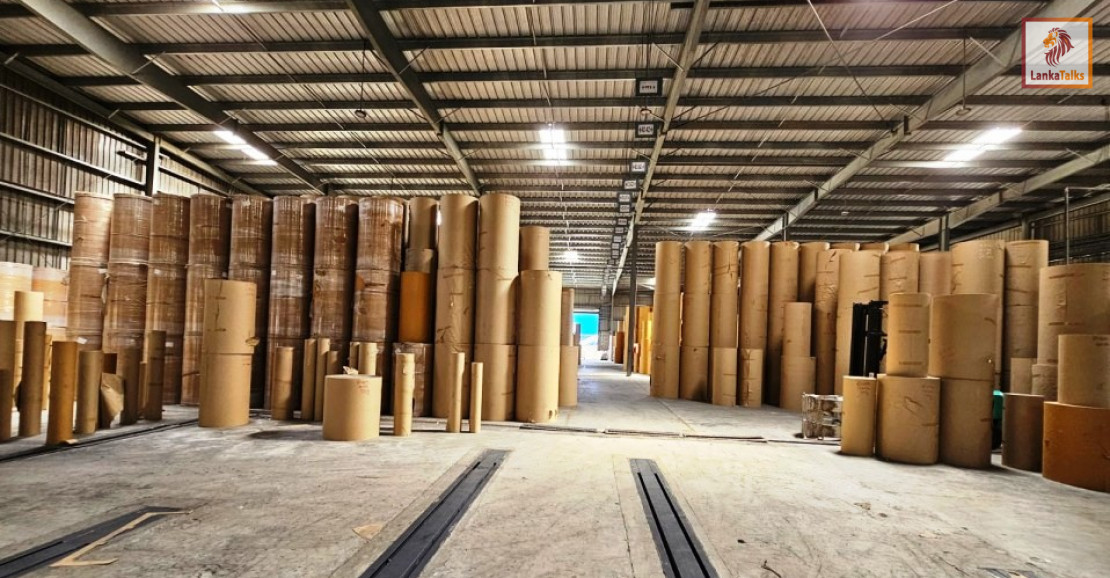
Instead, the prices of key paper grades used in carton production, including Kraft Liner, White Liner, Test Liner and Medium, have continued to climb by 30-50% in different paper greads. Manufacturers are also contending with higher costs for energy, transport, chemicals, starch, inks, labour, maintenance and other operating needs in line with growing inflation and global market realities.
Together, these increases are placing the sector under severe strain.
Manufacturers have worked to absorb as much of the additional cost as possible while continuing to serve customers at competitive prices. They have reduced waste, improved machine efficiency, managed energy use, optimized transport and strengthened production productivity. These efforts have helped, but they cannot offset rising costs indefinitely.
Paper accounts for a substantial share of the cost of producing corrugated cartons. Even a modest increase in paper prices can significantly affect the final cost of a carton; when prices rise across all major grades, the cumulative impact is considerable.
This leaves manufacturers caught between escalating costs and intense competition. Customers need affordable packaging, while producers must recover enough to maintain quality, invest in machinery, retain skilled employees and deliver reliably.
The consequences could extend well beyond the carton industry. Corrugated cartons are an essential part of Sri Lanka’s manufacturing and export supply chain. Food and beverage producers, tea exporters, agricultural businesses, apparel manufacturers, pharmaceutical companies and many others depend on a reliable supply of quality cartons.
If carton manufacturers face growing financial difficulties, the effects may spread across these industries. Higher packaging costs could also weaken Sri Lanka’s export competitiveness, particularly when local exporters are already competing with producers that may have better access to raw materials or lower production costs.
The sector is therefore calling for a realistic understanding of the pressures it faces. Manufacturers did not rush to raise prices when costs first began to rise. They waited, hoping conditions would improve and paper prices would return to more sustainable levels. Instead, the pressures have persisted.
A responsible adjustment to carton prices may now be necessary, not simply to improve margins, but to help ensure that manufacturers can continue operating sustainably.
The challenge is to balance customers’ need to manage costs with the need for carton manufacturers to remain financially viable. The industry is not asking for an easy solution; it is asking for recognition of the realities facing the sector.
A sustainable corrugated carton industry is essential to Sri Lanka’s manufacturing and export sectors. Preserving it will require cooperation among paper suppliers, manufacturers, customers, exporters and policymakers. Without appropriate market adjustments, continued cost pressures could have consequences far beyond the carton industry itself.