



 Breaking News
 Krishani
 Krishani
 Sep 29 2026
 34
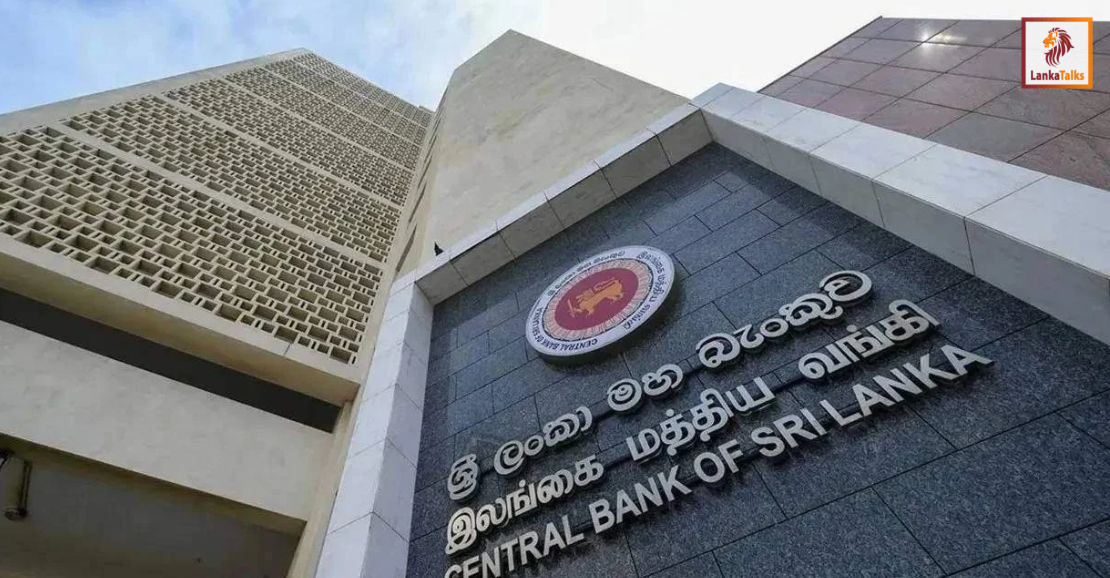
34Liquidity tightening measures such as the recently announced increase in Statutory Reserve Ratio minimum daily requirement floor to 90%, and the removal of the vault cash concession, support the likelihood of the Central Bank maintaining a rate hold on Wednesday (30), noted First Capital Research’s (FCR) pre-policy analysis for the Monetary Policy Review No. 05 of 2026.
“Interest rates are not the only tool available to the CBSL to contain inflation. Liquidity tightening is already underway through OMOs and recently announced SRR measures. The removal of the vault cash concession and the increase in the minimum daily SRR requirement from 75% to 90% (effective 30 Sep) will absorb excess liquidity and restrain credit growth,” the report said.
The report also mentioned that this move, combined with the open market operations should help contain inflationary pressures. “With monetary conditions already tightening, an additional rate hike risks imposing unnecessary costs on growth and credit activity while offering limited incremental benefits for inflation control,” it concluded.
According to the Gazette Notification No. 2481/09 & Circular No. 1 of 2026, banks will no longer receive a cash-holding concession for a lower SRR, while the minimum daily SRR floor will increase from 75% to 90%.
“New SRR requirements, effective 30 Sep, are expected to absorb around Rs 60-90 billion of banking-system liquidity,” the report noted. “Banks’ deposits with the CBSL are set to rise as the higher floor absorbs excess cash.”
FCR assigned a 60% probability for a rate hold, reiterating that the May 2026 100bps rate hike is still ‘propagating through the economy’, in addition to the the tighter conditions that OMOs and the SRR changes are to bring in; negating the need for a further policy rate increase.
The OPR was last held at 8.75% in July, following the 100 basis point hike from 7.75% in May. Headline inflation accelerated to 8.0% in August from 7.3% in July, driven primarily by food inflation which rose to 8.5%. Core inflation also ticked up to 5.1% from 4.4%.