



 Breaking News
 Shalini
 Shalini
 May 04 2026
 1081
1081SMEs, wholesale and retail drawn into VAT net as threshold cut to Rs. 36 m
Digital platforms face VAT from July 2026; B2B transactions excluded
Financial services VAT raised to 20.5%, increasing sector tax burden
Apparel-linked services gain zero-rating; Port City BSIs retain exemptions
Retail, trading and corporates face tighter compliance, POS mandate and higher penalties
A Bill to amend the Value Added Tax (VAT) Act, No. 14 of 2002 proposes sweeping changes to Sri Lanka’s indirect tax regime, widening the tax base, extending VAT to cross-border digital services, and strengthening enforcement, according to a May 2026 tax analysis by KPMG Sri Lanka.
Issued on 29 April 2026, the Bill introduces revisions across registration thresholds, sector-specific provisions, administrative processes, and penal measures, and is expected to become the law following the Constitutional process in Parliament.
A central change is the reduction of the VAT registration threshold to Rs. 36 million annually and Rs. 9 million per taxable period from 1 July, down from Rs. 60 million and Rs. 15 million. This effectively expands the VAT base, particularly affecting small and medium enterprises (SMEs), including wholesale and retail traders that were previously below the threshold.
The Bill also introduces VAT on digital services supplied by non-resident providers to persons in Sri Lanka, effective 1 July. These providers will be required to register and file returns, although VAT will not apply where the recipient is a VAT-registered entity, subject to documentation.
The financial services sector faces a direct rate increase, with VAT rising to 20.5% from 18% from July. The Bill also aligns certain definitions, including “emoluments,” with the Inland Revenue Act, and clarifies that dividend income of non-specified institutions is not treated as business profits under the VAT framework.
Export-oriented services receive targeted relief. Services provided by garment buying offices to overseas clients are zero-rated where supplied to persons outside Sri Lanka and paid in foreign currency, effective from 1 October 2025.
Retail and trading sectors face both transitional adjustments and stricter compliance. Deemed input tax credits are available for unsold stock at the point of VAT registration for eligible traders, while all registered persons will be required to adopt secured Point of Sale (POS) systems capable of real-time transaction recording, invoicing, and data capture within three months of a prescribed implementation date.
Project-based sectors face tighter input tax rules. Input VAT will be disallowed where tax payments on imported plant, machinery, equipment, or vehicles are deferred and not settled within one month of project completion.
The Bill also provides VAT exemptions for supplies made to businesses designated as Businesses of Strategic Importance (BSIs) under the Colombo Port City framework, maintaining incentives for investment-linked entities.
Compliance and enforcement provisions are strengthened significantly. Maximum fines for offences increase to Rs. 1 million from Rs. 25,000, with imprisonment of up to six months for offences including fraudulent refund claims and failure to provide valid documentation. The Commissioner General of Inland Revenue is also empowered to publish taxpayer identification details to support administration and compliance.
In addition, procedural changes allow taxpayers to submit VAT schedules progressively during a taxable period rather than at the end, indicating a shift towards more continuous reporting.
The Bill reflects a move towards a broader and more enforcement-driven VAT regime, with sector-specific impacts ranging from increased tax incidence in financial services to expanded compliance obligations for SMEs, digital service providers, and retail businesses.
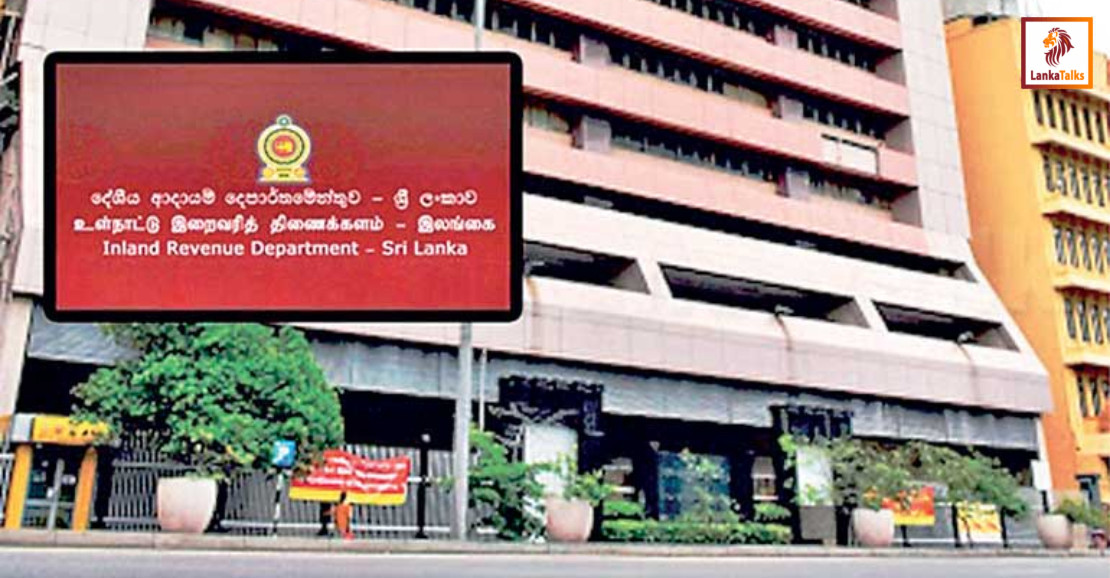
The Inland Revenue Department (IRD) has been assigned a revenue target of Rs. 2,402 billion for 2026, following a record performance in 2025 where collections reached Rs. 2,244 billion, exceeding the Rs. 2,202 billion target by Rs. 42 billion.
Authorities have moved to strengthen compliance through closer coordination with Sri Lanka Customs, including a Memorandum of Understanding (MoU) to conduct joint audits and enhance data sharing. These measures are expected to support enforcement and improve revenue mobilisation.
The tax base is also being expanded, with around 12 million individuals already issued Taxpayer Identification Numbers (TINs) and plans to increase coverage to approximately 17 million as part of efforts to broaden compliance and improve tax administration.
Source: Daily FT