

 Breaking News
 LankaTalks
 LankaTalks
 Apr 01 2026
 336
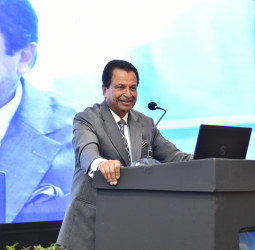
336Sri Lanka’s Cabinet has approved a proposal to procure 300 MW of Battery Energy Storage Systems (BESS) to stabilize the growth of renewable energy, minister Nalinda Jayatissa said.
The Public Utilities Commission of Sri Lanka (PUCSL) moved the project timeline forward from 2032 to the 2028-2029 period, after identifying that peak demand is increasing two years faster than forecasted in the Long-Term Power Generation Plan.
To meet this requirement, the Cabinet cleared two procurement strategies; The larger portion of the plan involves the construction of 25 standalone battery energy storage systems.
Each unit will have a capacity of 10 MW/40 MWh, totaling 250 MW of the approved capacity.
These units will be directly connected to the medium-voltage distribution network of the Ceylon Electricity Board (CEB).
Under the approved proposal, these 25 projects will be developed on a Build, Own, and Operate (BOO) basis.
The private developers selected for these projects will maintain an operational period of 15 years, ensuring a long-term decentralized storage buffer for the national grid.
The second Cabinet decision targets a 50 MW capacity, to support existing renewable energy infrastructure.
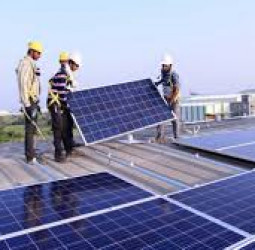
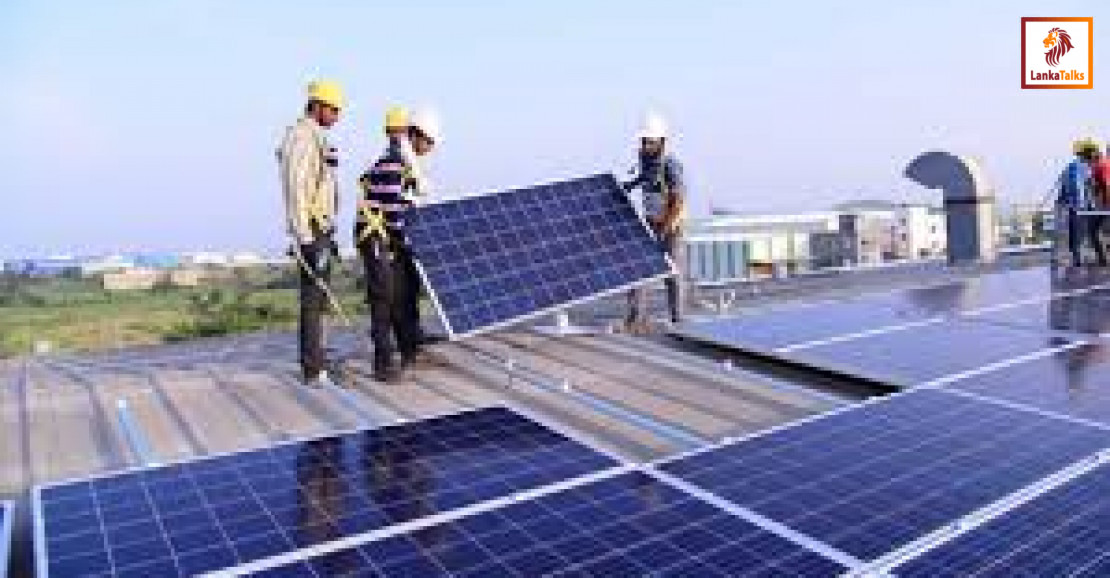
Unlike the standalone units, this capacity will be procured by connecting battery systems to existing on-site solar power plants.
This 50 MW segment will be handled through a competitive bidding process.
The procurement will be managed by the Renewable Energy Procurement and Operations Supervision Division of National System Operator (Private) Limited, a successor entity of the CEB.
This move is intended to allow solar producers to store excess energy generated during the day for use during peak hours.
Jayatissa told reporters that the two-pronged approach is essential because solar power generation has already exceeded the integration limits set in the 2023-2042 long-term plan.
“If we can establish a battery storage system, we can promote renewable energy much more than this,” Jayatissa said.
“Just continuing to install solar panels won’t work unless we bring in these batteries to store energy everywhere.”