

 Breaking News
 A.R.B.J Rajapaksha
 A.R.B.J Rajapaksha
 May 20 2026
 76
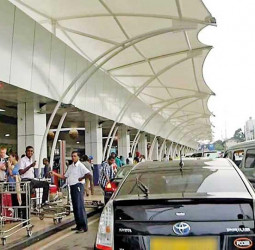
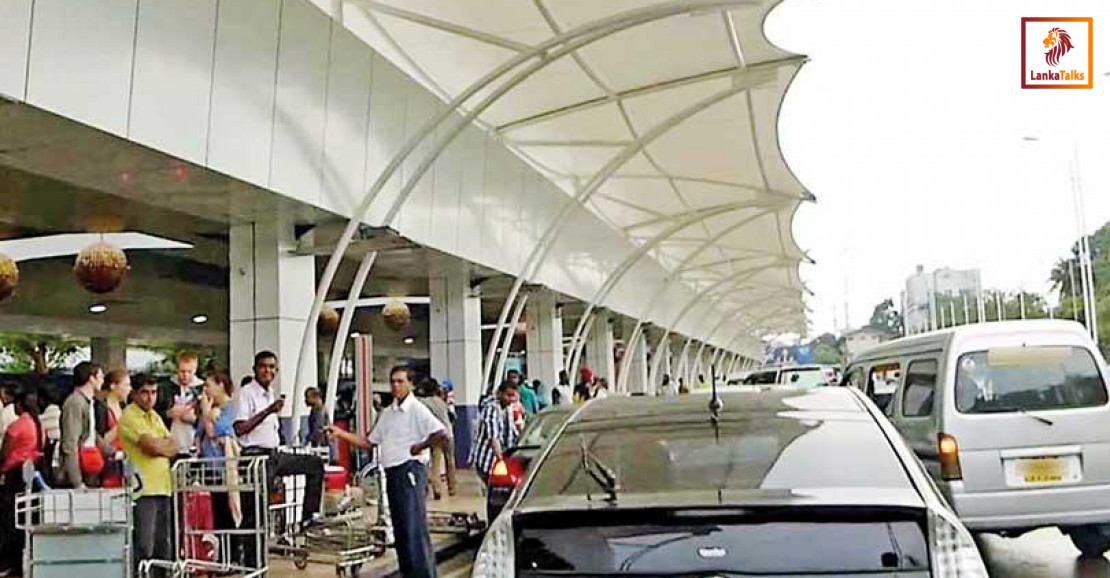
76Private taxi operators at Bandaranaike International Airport are calling for urgent rental relief, stating that they are struggling to sustain operations after paying nearly Rs. 19 million in monthly rental fees amid a sharp decline in tourist arrivals during the off-season.
The operators said tourist arrivals have dropped by nearly 80%, severely affecting their income and making it difficult to continue meeting high operational costs.
“Only a small number of tourists are now arriving at the airport, and a majority of them are being taken by metered taxi operators, who pay only around Rs. 700 per ride as fees to Airport and Aviation Services,” an operator said.
According to the operators, the six long-standing private taxi service providers at the airport each pay monthly rentals ranging from approximately Rs. 2.9 million to Rs. 4 million. In addition, they are required to maintain a minimum fleet of six vehicles along with dedicated airport staff.
“What we are requesting is a temporary reduction in monthly rental payments for around three to four months until tourist arrivals improve and the industry returns to normal,” they said.
The operators noted that they have been operating at the airport for more than two decades, providing transport services to both local and international travellers, while metered taxi services entered the airport transport sector only about two years ago.
They also alleged that metered taxi operators have been granted more favourable operating conditions and questioned the process through which those operators were allowed to operate at the airport.
Operators argue that the present financial burden has become unsustainable, given the sharp drop in business volumes and what they describe as an uneven competitive environment within the airport transport system.
“What we are requesting is a 50% reduction in monthly rental fees for a period of at least three months,” they said.
They also raised concerns about the quality and condition of some vehicles operated by metered taxi providers.
“Passengers are often unaware of the condition of these vehicles until they enter them, which can compromise safety standards,” one operator claimed.
In contrast, the private airport taxi operators say they maintain newer vehicles and employ experienced, professionally trained drivers to ensure higher standards of passenger safety and service quality.
The operators warned that failure to address the issue could have wider economic and social consequences. The six service providers collectively employ around 250 staff, and continued financial pressure may lead to job losses and a reduction in organised airport transport services.