


 Breaking News
 Krishani
 Krishani
 Oct 19 2026
 39
Despite formulating as many tourism master plans as IMF programmes, Sri Lanka still lacks a cohesive strategy, with ad hoc approvals, inflated state land prices and unplanned development holding back the industry since 2009, according to former Board of Investment (BOI) Chairman Thilan Wijesinghe, whose concerns were echoed by hoteliers and the World Bank.
Speaking at the 4th Tourism, Hotel Investment and Networking Conference (THINC) Sri Lanka & Maldives, organised by Hotelivate-Savills in Colombo last week, Wijesinghe, who led the BOI from 1995 to 2001 and now heads TWC Holdings as Chairman and Managing Director, contended that the island had “blundered along in building product without a cohesive strategy”, adopting the old adage of “build and they shall come”.
“We need to reflect, we need to re-strategise, and a strategy does not mean yet another master plan,” he asserted, noting that the country has had some 17 to 18 tourism master plans, roughly matching the 17 IMF programmes it has entered into since 1965.
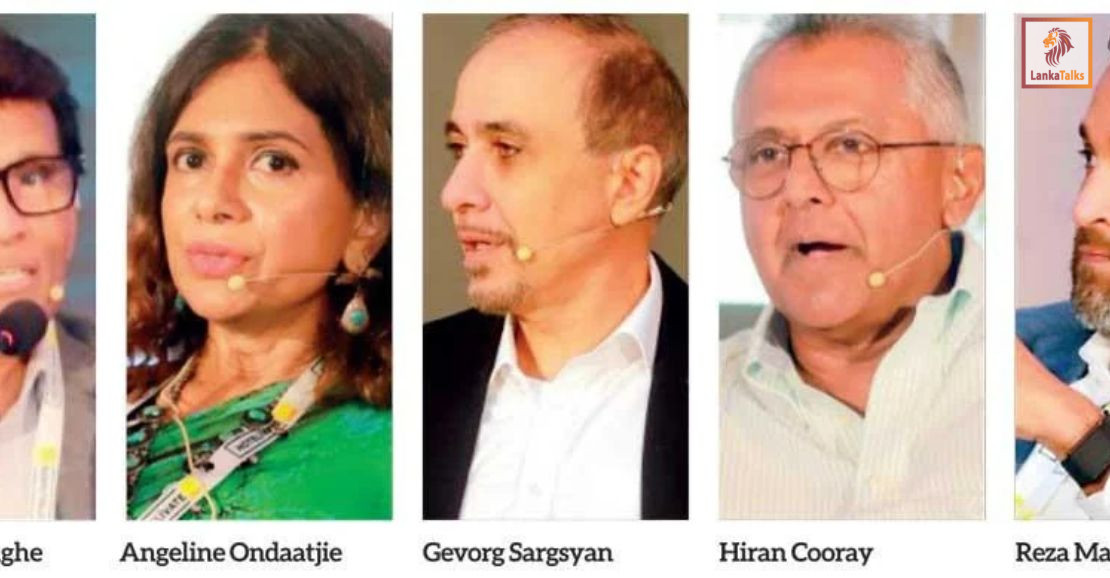
Instead, he proposed a property tax on idle beach land and a reset of coastal zoning plans. Panellists at a session he moderated, including veteran hotelier and Jetwing Hotels Chairman Hiran Cooray, flagged persistent approval bottlenecks, while the World Bank outlined its support for a single window to guide investors through red tape.
In what he conceded was a “somewhat controversial” proposal, Wijesinghe urged that the tax cover all beach land that remains undeveloped after the next two years, in order to bring land prices down.
While his Indian partner was acquiring freehold land on the east coast at Rs.5.5 million an acre, the government was pricing land in the same area at Rs.20 million an acre, a premium of over 260 percent, he pointed out, arguing that this artificially inflated land values in a country where the state owns more than 80 percent of the land.
Wijesinghe was equally critical of the decision to let developers override the long-held guideline that coastal buildings should not rise above a coconut tree, which he said paved the way for the 11-storey Weligama Bay Marriott and a wave of beachfront apartments down south. Stressing that “a beach is a scarce resource”, he cautioned against high-rises coming up “willy-nilly” in places such as Thalpe, long a bastion of luxury tourism, adding that permitting beach apartments makes land costs that much more prohibitive for hotel developers.
He traced the approvals problem back to 2010, when the then administration set an ambitious five-year tourism target—which ultimately aimed for 2.5 million tourist arrivals by 2016, nearly four times the 654,476 tourists the island welcomed in 2010.
“And then the tourism authority just divided that by five and 365 and said, we have to approve so many hotel rooms per day. I thought that was nuts,” Wijesinghe recalled.
Arrivals in 2016 eventually reached 2.05 million, some 18 percent short of the target.
He held up Pasikudah on the east coast as a cautionary tale. Although the state invested in power, water and sewerage connections there soon after the conflict ended, it permitted what he described as a “hodgepodge” of five-star, three-star and two-star hotels with no sense of place, prompting him and his partner Malik Fernando to stay away. Today, one hotel there is bankrupt while “two or three others are for sale as we speak”, he observed.
International brands account for only 6 percent of Sri Lanka’s resort segment, against about a third across developing Asia and close to 50 percent in the Maldives, according to Wijesinghe, who added that post-COVID data show international branded resorts far outperforming the rest of the market. That puts the developing Asia average at more than five times the island’s level.
His zoning reset would prevent the east coast, which is regarded to be home to some of the best beaches in the world, from repeating the mistakes made down south. Further, he argued that legacy hotels that are 40 to 50 years old, some on government land, should also be supported to raise fresh capital through joint ventures or, failing that, be acquired and rebranded.
Meanwhile, Cooray acknowledged that infrastructure has improved vastly over the past five decades, but remarked that securing approvals remains a struggle for every developer. Unplanned developments coming up in a big way across most resort areas are “really hurting us”, he warned, as officials at times approve such projects blindly without realising their impact, leaving no room to reverse course once approvals are granted.
Crystal Property Group and The One Group of Hotels Director and CEO Reza Magdon-Ismail called for a faster approval process, emphasising that getting money into the ground quickly matters as much to international investors as it does to local ones. Pointing to remarks made earlier at the conference by Standard Chartered Bank Sri Lanka CEO Bingumal Thewarathanthri that non-performing loans (NPLs) stand at 38 percent in the tourism sector, Magdon-Ismail noted that the figure reflects how the entire ecosystem needs reform.
He also urged the government to stop chasing arrival numbers and establish a clear business case for Sri Lanka as a hospitality destination “before we spend any more money on grand marketing campaigns”.
Responding to Wijesinghe on the single window framework and proposed refinements to the Tourism Act, World Bank Group Country Manager for Sri Lanka and Maldives Gevorg Sargsyan explained that the reforms aim to create fewer and better functioning institutions, with the government acting as a one-stop shop that guides local and foreign investors through red tape while keeping safeguards intact. The Cabinet approved the drafting of a new tourism law in June 2025 to overhaul the administrative structure created under the Tourism Act No. 38 of 2005, which split the sector across four state bodies.
Sargsyan also stressed the need for reliable, granular data to guide policy and industry decisions, pointing out that many of the figures currently cited on tourist spending and behaviour are unreliable. Alongside institutional reforms, he urged the country to move past a “20th-century” mindset of relying on big trade expos and traditional tour operators, noting that younger travellers increasingly turn to online platforms and artificial intelligence to plan their trips.
However, several issues weighing on the cost of doing business fall outside the Act, Sargsyan noted, including para-tariffs and taxes that make imported materials extremely expensive and the licensing regime for beer and wine.
“It’s insane how difficult it is,” he pointed out, adding that alcohol sales form an important revenue stream to keep hospitality businesses sustainable, even as informal outlets continue to sell alcohol freely.
As a small island, Cooray stressed that Sri Lanka cannot focus on arrival numbers alone, observing that while five million tourists would mark a good year, the real measure is whether they bring in US$ 10 billion or more, which would mean tourism contributing at least 10 percent of GDP. Five million arrivals would be more than double last year’s record of 2.36 million, while the US$ 10 billion mark implies an average spend of US$ 2,000 per tourist compared to around US$ 1,300 in the first nine months of this year.
Doubting it would materialise within the next five years, he urged the private sector to lead on policy rather than wait for the government.