


 Breaking News
 Tracy
Tracy Tracy
Tracy Aug 13 2026
 330
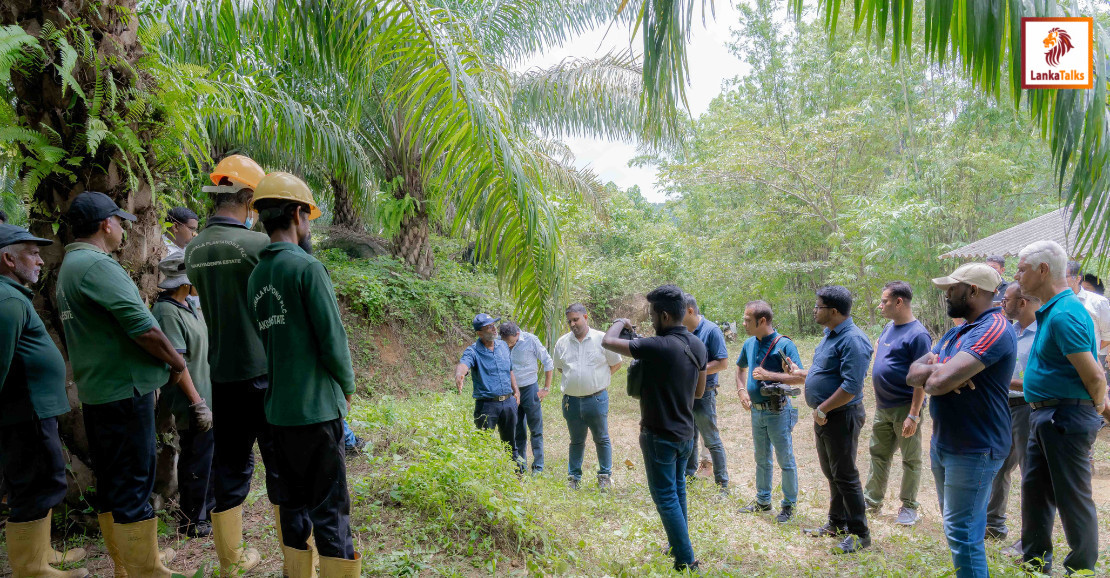
330A recent visit organised by representatives of the Palm Oil Industry Association of Sri Lanka (POIA) to established oil palm cultivation areas in the Southern Region highlighted the need to separate environmental facts from longstanding misconceptions surrounding the crop.
Public discussion often portrays oil palm cultivation as inevitably creating bare, unfertile land, preventing other vegetation from growing, depleting nearby water sources and destroying biodiversity. However, conditions observed across established Southern cultivation areas present a more positive, site-specific environmental picture.
Ground-cover and understorey vegetation were significantly present beneath cultivated palms. When properly managed, this vegetation helps protect soil from direct rainfall, reduce erosion and surface runoff, retain moisture and support natural activity. Areas of underplanting and compatible intercrops were also visible, demonstrating that suitable vegetation can coexist with oil palm depending on shade, soil, terrain and the age of the palms. Media representatives will also observe practical measures including ground-cover management, the strategic stacking of pruned fronds to return organic matter to the soil, and soil and water conservation practices suited to the terrain.
Clean water resources were observed within, alongside and beyond the cultivation areas. Their continued presence challenges the blanket claim that oil palm cultivation automatically causes surrounding wells and streams to dry up. Nevertheless, responsible cultivation requires the protection of natural drainage systems, buffer zones along waterways, careful control of fertiliser and agrochemical use, and ongoing monitoring of water quality and availability.
Well-managed cover crops within oil palm systems provide valuable organic biomass that supports soil organic matter, nutrient cycling and overall soil fertility. It was also observed that surrounding communities continue to rely on water sources located within the plantation landscape for their domestic water needs, challenging the blanket assumption that oil palm cultivation inevitably causes nearby water sources to dry up.
The ecological value of these plantation landscapes is also reflected in earlier freshwater research at the Nakiyadeniya and Homadola estates. The research contributed to the scientific identification of Schistura scripta, commonly known as the Sri Lanka Mountain Loach, an endemic freshwater fish recorded within the Gin River basin. Its presence reinforces evidence that the area continues to retain ecological value and highlights the importance of protecting streams, riparian zones and connected natural habitats within cultivated landscapes. More broadly, these landscapes can provide vegetation cover and connected habitats that support aquatic life, birds, insects and other fauna, particularly where waterways, riparian buffers and natural areas are protected.
Responsible plantation management also requires clear operating standards, regular monitoring and continuous improvement. POIA emphasises management practices that safeguard soil, water, biodiversity and the wellbeing of surrounding communities, while meeting applicable environmental and regulatory requirements.
Commenting on the observations, Yajith de Silva, Chief Operating Officer of POIA, said, “Environmental concerns surrounding any plantation crop must be taken seriously. However, conclusions should be based on scientific evidence, site-specific conditions and actual land-management practices. The understorey vegetation, compatible crops, functioning water resources and biodiversity observed in the Southern Region demonstrate why broad assumptions cannot replace proper environmental assessment.”
Sri Lanka’s oil palm sector operates within longstanding agricultural and plantation landscapes, making the local context different from overseas cases involving large-scale clearing of virgin forests. This distinction does not remove the need for environmental safeguards, but it underlines why international claims should not be applied to Sri Lanka without considering local conditions.
Oil palm also has an important economic role in Sri Lanka’s agricultural landscape. Its relatively high productivity per unit of land can help meet domestic demand within established cultivation areas, reducing pressure on land when production is guided by appropriate land selection and responsible management.
POIA maintains that responsible oil palm cultivation must be supported by appropriate land selection, soil and water management, biodiversity protection, transparent monitoring and strict regulation. It welcomes transparent scrutiny and believes decisions on oil palm should be guided by credible data, scientific assessment and a commitment to continuous improvement, rather than myths or generalisations.