


 Breaking News
 A.R.B.J Rajapaksha
 A.R.B.J Rajapaksha
 Jan 26 2026
 781
781The growth of the Manufacturing Index in the last month of last year was hailed with somewhat cautious optimism for the future of the sector which has to grapple with a host of taxes. Previously, stubbornly high utility prices stood in the way of manufacturing sector growth but today taxes have overtaken utilities as the hurdles for growth.
Free Trade Zone Manufacturers Association (FTZMA) Chairman Dhammika Fernando said what is worrying is not the utility prices which are less compared to some regional countries but the high taxes including VAT, PAL, border taxes, Social Security Contribution Levy, Ports and the Airport Development Levy.
He said what entices investors is only the Capital Allowances which can be discounted from the taxes. Other than that there is nothing that encourages foreign investors.
Fernando stressed that as long as we are tied to the IMF program we will not be get out of the issue.
Outgoing BOI Chairman Arjuna Herath said that he has brought the tax issue before the IMF officials on several occasions but to no avail.
However, the silver lining is that the Purchasing Managers’ Index for Manufacturing recorded an index value of 60.9 in December 2025, indicating a continued expansion in manufacturing activities.
All sub-indices contributed positively to this increase, mainly supported by seasonal demand, despite adverse weather-related disruptions experienced last month
The New Orders and Production sub-indices increased in December, driven by the manufacture of food and beverages sector.
The Employment and Stock of Purchases sub-indices also increased, in line with the strengthening of New Orders and Production observed during the month. The Suppliers’ Delivery Time further extended in December, mainly reflecting increased demand for input materials and adverse weather-related logistical delays.
Expectations for manufacturing activities over the next three months remain positive, supported by anticipated improvements in economic conditions.
Activities in December 2025
The Purchasing Managers’ Index for Services
(PMI – Services) too recorded an index value of 67.9 in December last year, indicating a notable expansion in services activities compared to the previous month.
The significant growth of business activities in December last year, despite the adverse weather related disruptions experienced at the beginning of the month, was buoyed by robust performance across most of the sectors. The wholesale and retail trade was the primary driver of this expansion amid festive season demand.
The upward trend was also supported by positive contributions from business activities related to the other personal service activities, and accommodation, food and beverage service activities.
New Businesses increased in December last year, underpinned by improved activity in wholesale and retail trade, along with strengthened financial services activities.
Employment continued to rise in December, reflecting workforce expansion by firms to meet year-end operational needs.
Backlogs of Work grew for the second straight month.
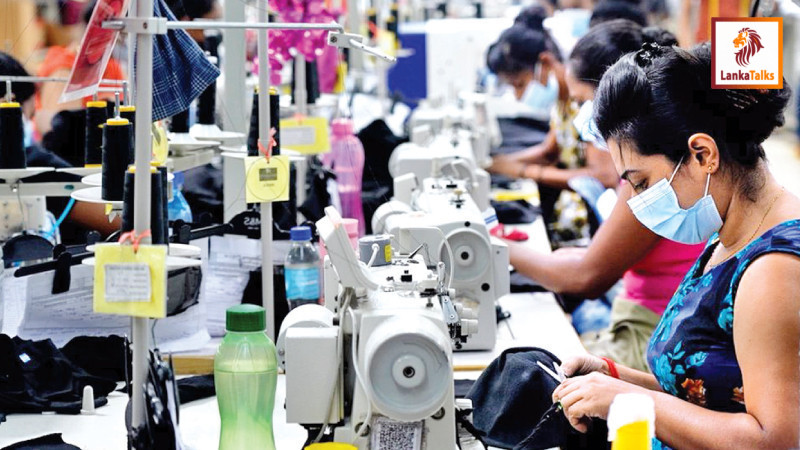
Sri Lanka’s manufacturing sector is expanding, driven by strong food, beverages, textiles, and apparel production, especially around festive seasons, despite some weather-related disruptions. Key areas include apparel (a major export earner for brands such as Nike, Tommy Hilfiger) and growing niches such as rubber products, porcelain, and other manufactured goods, with recent data showing increased PMI and production. Major players include MAS, Brandix, and Hirdaramani, with a focus on exports and resilient domestic demand.
Source - Sunday Observer