


 Breaking News
 LankaTalks
 LankaTalks
 Mar 02 2026
 735
735Though confidence in the Sri Lankan financial system among its market participants remained positive in the short term, between December and January, confidence in the medium term declined in the same time period, likely due to uncertainties related to natural hazards and geopolitical tensions, the Central Bank of Sri Lanka’s (CBSL) Systemic Risk Survey for H1 2026 has found.
“Perceptions of survey respondents indicate that market participants’ confidence in the financial system remained positive in the short term, whereas confidence in the medium term declined, possibly shaped by uncertainties related to natural hazards and geopolitical tensions that prevailed during the survey period,” the survey said.
According to the report, “short term” in this context refers to over the next year, and “medium term” refers to over the next three years. It is also important to note that the survey had been conducted between 19 December to 16 January, before the recent geopolitical developments that took place across the Middle East, over the weekend.
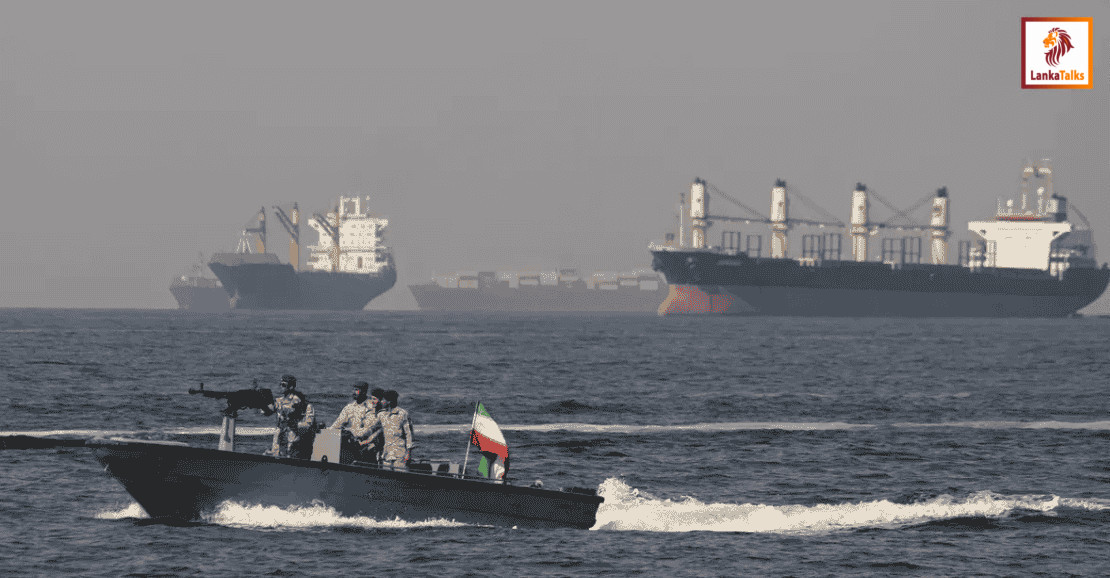
Yesterday (1), Iranian State-media confirmed that the Supreme Leader of Iran, Ayatollah Ali Khamenei had been killed in a joint US-Israel strike on Tehran.
According to a report released by CNBC yesterday (1), Standard Chartered’s Global Head of Research Eric Robertsen stated in a note that investors generally have been underestimating geopolitical risks.
While the US Dollar has seen only a modest decline year-to-date, underlying movements such as commodity-linked currencies continued to outperform, indicating that markets are now paying a premium for access to scarce resources and countries benefiting from favourable terms of trade.
FedWatch Advisors Ben Emons quoted by CNBC noted that the strikes on leadership in Tehran introduce significant tail risks related to regime change, giving rise to heightened uncertainty.
According to analysts, markets could possibly oscillate between a risk-on rally if the regime’s collapse removes the threats of oil blockades and nuclear escalation, or culminates into a persistent risk-off sentiment if the conflict becomes protracted and supply disruptions are to intensify.
The report maintained that the most immediate pressure point is likely energy, where a sustained surge in crude oil demand would quickly feed into inflation expectations and disproportionately impact Asia’s oil-importing economies.
According to the CBSL report, among the local respondents, the perceived probability of a high-impact negative event materialising showed an uptick in both the short and medium term.
Source: The morning