

 Breaking News
 A.R.B.J Rajapaksha
 A.R.B.J Rajapaksha
 Dec 23 2025
 887
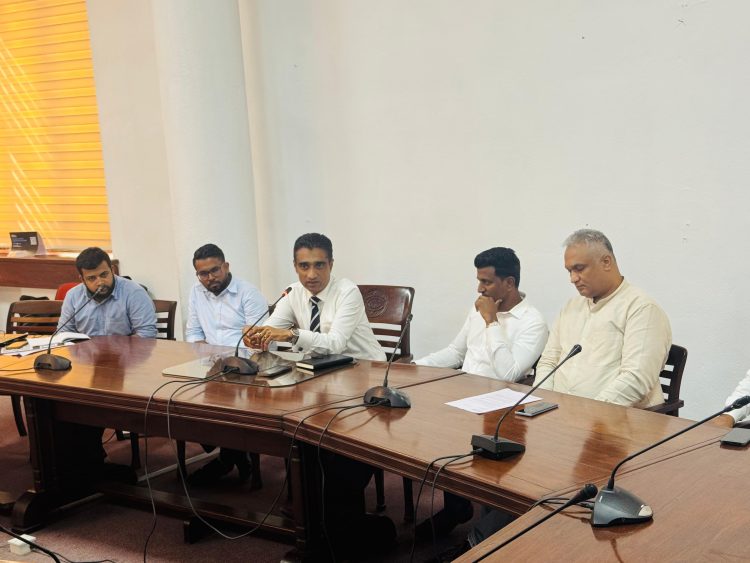
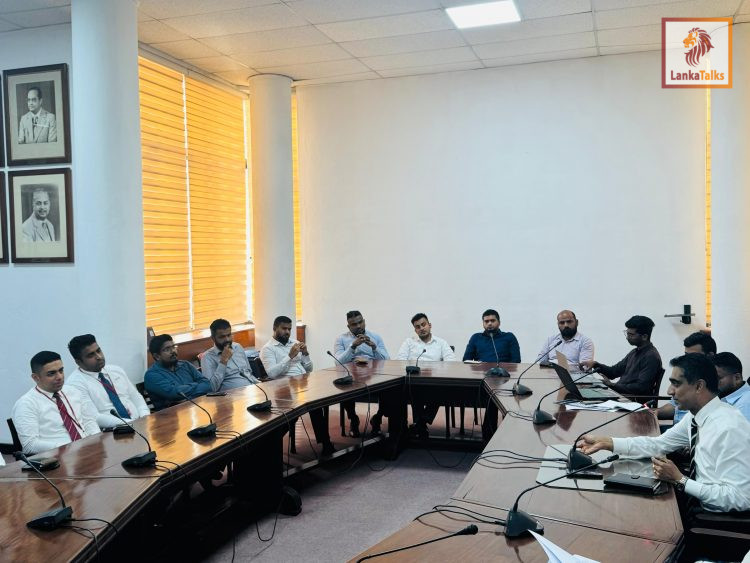
887Sri Lanka’s laptop and computer equipment market is being quietly reshaped by a surge of illegal imports, counterfeit products and used devices entering the country outside proper controls, industry leaders warned at a recent discussion convened by the Federation of Information Technology Industry Sri Lanka (FITIS).
Participants revealed that in some categories, up to half of the laptops, desktops, monitors and accessories currently sold in the market are either brought in through illegal import channels or imported as used equipment. These products often enter the country with lower declared values or without paying the correct taxes, making them significantly cheaper than genuine products sold through authorised sellers.
While lower prices may appear attractive to customers at first glance, industry representatives cautioned that the risks are far greater. In most cases, these laptops do not come with genuine operating systems, and pirated software is installed locally before sales. This not only exposes users to legal risks, cyber security threats and software failures, but also deprives them of critical updates, data protection and long-term system reliability. Many of these devices also do not carry valid manufacturer warranties, meaning buyers have little to no protection if the product fails. In some cases, customers unknowingly purchase counterfeit or refurbished items sold as brand new, with no reliable way to verify authenticity.
The issue is also causing serious harm to legitimate businesses that follow the law, pay full taxes and provide proper after-sales service. When illegal importers undercut prices by 25–30 percent, authorised dealers find it increasingly difficult to survive, leading to shrinking investments, job losses and reduced service quality across the formal sector.
Beyond commercial damage, a growing environmental concern is also emerging. Large volumes of older laptops, desktops and monitors are entering Sri Lanka without any national system to manage electronic waste. Many of these products reach the end of their life quickly and end up discarded without safe recycling, adding to the country’s mounting e-waste problem.
Industry leaders also pointed to weaknesses in import monitoring. With no clear visibility on who is authorised to bring in specific brands, it becomes difficult for authorities to properly track what enters the country. Devices are also reportedly brought in through passenger luggage in large quantities, further bypassing oversight.
Recognising the seriousness of the issue, FITIS has been actively working with technological brands, distributors, retailers and other industry stakeholders to assess the full scale of the problem and drive a coordinated industry response. The organisation has positioned itself as the central platform bringing all affected parties together, ensuring that concerns from across the IT hardware value chain from global brands to local retailers are accurately represented and addressed at a national level.